Hotel Partnerships with Dental Clinics: Do You Save Money?

January 22, 2026

Hotel Partnerships with Dental Clinics: Do You Save Money?

Many foreign patients traveling to Korea for veneers notice that some dental clinics advertise hotel partnerships as part of their medical tourism services. These partnerships are designed to simplify accommodation planning and, in some cases, reduce overall travel costs. However, patients often wonder whether these arrangements truly save money—or simply add convenience.

Understanding how hotel–clinic partnerships work helps international patients decide whether bundled accommodation offers real financial value or are mainly a logistical benefit.

What Are Hotel Partnerships in Medical Dentistry?

Hotel partnerships are cooperative arrangements between dental clinics and nearby hotels or serviced residences. Instead of booking accommodation independently, patients can reserve rooms through the clinic’s network.

These partnerships typically aim to:

  • Provide accommodation close to the clinic
  • Simplify scheduling and transportation
  • Offer standardized options for medical tourists
  • Reduce planning stress for short-term visitors

Savings, if any, depend on the type of partnership and booking structure.

How These Partnerships Usually Work

Clinics do not usually own hotels. Instead, they collaborate with selected properties that regularly host medical tourists. Booking may be handled directly by the hotel or coordinated through the clinic.

Common arrangements include:

  • Preferred-rate bookings for clinic patients
  • Fixed-price medical tourist rooms
  • Flexible check-in/out aligned with treatment schedules
  • Easy cancellation or date changes tied to treatment plans

The benefit is often predictability rather than dramatic discounts.

Do You Actually Save Money on Hotel Costs?

In some cases, yes—but the savings are usually modest, not substantial. Partner hotels may offer slightly lower nightly rates compared to public booking platforms, especially during peak seasons.

Possible cost advantages include:

  • Small nightly discounts (often 5–15%)
  • Waived service fees or taxes
  • Free upgrades or breakfast inclusion
  • Reduced deposit requirements

However, budget travelers may still find cheaper options independently, particularly outside central areas.

Convenience vs Pure Cost Savings

For many medical tourists, the real value of hotel partnerships lies in convenience rather than price. Staying near the clinic can reduce transportation time and stress during treatment days.

Convenience benefits include:

  • Short walking distance to the clinic
  • Easier scheduling for multiple visits
  • Less fatigue after procedures
  • Quick access for follow-up checks

These factors indirectly save money by reducing transport costs and time loss.

Are Hotel Costs Included in Veneer Packages?

Most veneer packages do not automatically include hotel costs. Accommodation is usually optional and quoted separately unless explicitly stated.

Patients should confirm:

  • Whether the hotel is included or discounted
  • Number of nights covered (if any)
  • Room type and occupancy limits
  • Additional charges for extended stays

Assuming hotels are included without confirmation often leads to misunderstandings.

Types of Hotels Commonly Used in Partnerships

Partner hotels vary widely depending on clinic location and target patient group. Clinics serving international patients often collaborate with mid-range to upscale accommodations.

Common options include:

  • Business hotels near major districts
  • Serviced apartments for longer stays
  • Boutique hotels catering to medical tourists

Luxury hotels are less common unless part of premium concierge packages.

Can Hotel Partnerships Affect Total Treatment Cost?

Indirectly, yes. While the veneer price itself usually remains unchanged, accommodation coordination can reduce incidental expenses.

Potential indirect savings come from:

  • Fewer taxi or transfer fees
  • Reduced need for daily commuting
  • Lower risk of missed appointments

These factors can make the overall trip more cost-efficient, even if hotel discounts are small.

Flexibility and Cancellation Policies

One advantage of clinic-linked hotels is flexibility. Because bookings are tied to medical schedules, changes are often easier to manage.

Benefits may include:

  • Date changes without heavy penalties
  • Flexible check-in aligned with procedure days
  • Easier extensions if treatment takes longer

This flexibility can prevent extra costs caused by treatment delays.

Should You Use a Clinic-Partnered Hotel?

Using a partnered hotel makes sense if:

  • You value proximity and convenience
  • You have a tight treatment schedule
  • You prefer coordinated planning
  • You’re unfamiliar with local booking platforms

However, independent booking may be better if budget is the primary concern and flexibility is less critical.

What to Confirm Before Booking

Before accepting a hotel partnership offer, foreign patients should clarify:

  • Exact nightly rate compared to public prices
  • Included amenities (breakfast, Wi-Fi, laundry)
  • Distance to the clinic
  • Cancellation and extension policies

Requesting this information in writing ensures transparency.

Final Thoughts

Hotel partnerships with dental clinics in Korea don’t always lead to major savings, but they often provide practical value for medical tourists.

  • Direct discounts are usually modest
  • Convenience and proximity are the main benefits
  • Flexibility can prevent unexpected costs
  • Best suited for short, treatment-focused trips

For foreign patients prioritizing smooth logistics and stress-free treatment over absolute lowest accommodation prices, clinic-partnered hotels can be a smart and comfortable choice.


January 22, 2026
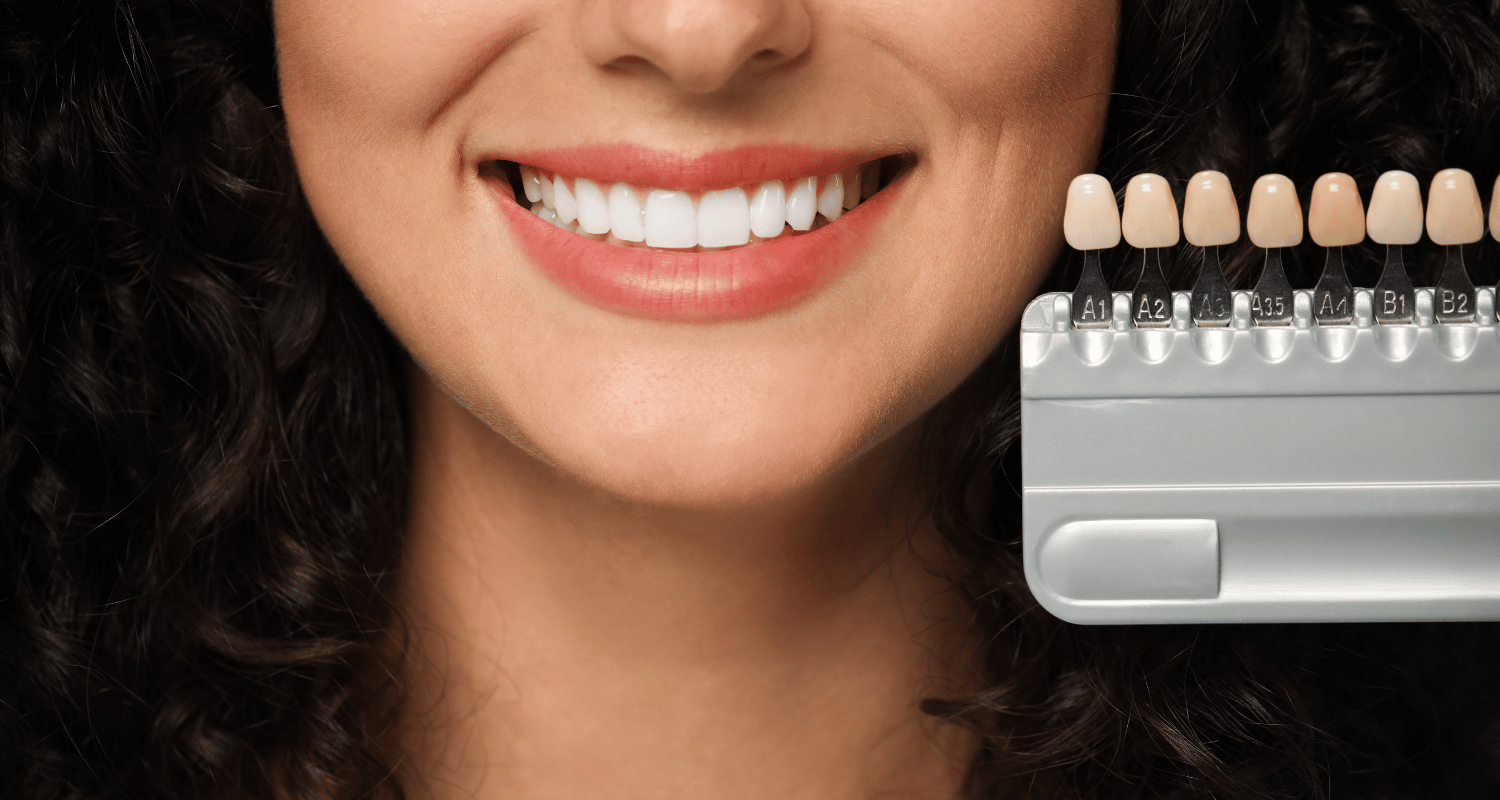
How Custom Smile Design Affects Final Veneer Price When planning veneers in Korea, many foreign patients focus on material and basic veneer cost , but often overlook the impact of custom smile design on the final price. A truly personalized smile involves more than just placing veneers—it requires detailed planning, digital simulation, and precise fabrication tailored to each patient’s facial features, dental anatomy, and aesthetic goals. Understanding how customization influences cost helps patients budget accurately and set realistic expectations . What Is Custom Smile Design? Custom smile design is the process of creating veneers that are uniquely tailored to an individual patient . It takes into account: Tooth size, shape, and alignment Facial proportions, lips, and smile line Gender-specific aesthetics (feminine vs masculine smile) Bite and occlusion for functional harmony Desired degree of brightness or uniformity This personalized approach ensures that veneers look natural, complement facial features, and enhance overall confidence . Key Components That Affect Cost Custom smile design can influence veneer pricing in several ways: Digital Smile Design (DSD): 3D modeling and simulation to preview the final smile (USD 100–300 if not included in package) Temporary veneers/mock-ups: Testing shape, color, and bite before final bonding Material choice: Higher-end materials like E-max or zirconia are preferred for precise customization Number of teeth involved: More teeth require more lab work and detailed design Dentist and lab expertise: Highly experienced cosmetic dentists and in-house labs ensure accuracy but may charge premium fees These elements combine to determine the final cost per tooth , which can vary significantly depending on the level of customization required. How Customization Impacts Procedure Complexity The more personalized the design, the more steps are involved: Comprehensive smile analysis and consultation Facial photography and 3D scanning Digital modeling and patient approval Temporary veneers or mock-ups to refine aesthetics Final fabrication and bonding with bite and alignment adjustments Each additional step may increase chair time, lab work, and material use , which collectively affects the total cost. Typical Pricing in Korea Depending on customization level, veneer pricing in Korea can range as follows: Composite veneers: USD 150–300 per tooth, basic customization Porcelain (E-max) veneers: USD 350–700 per tooth, moderate customization Zirconia veneers: USD 500–900 per tooth, advanced customization with high precision For a full smile makeover (8–10 teeth), incorporating detailed custom design may add USD 500–1,500 to the total cost, depending on complexity and number of teeth. Why Custom Smile Design Is Worth It Although customization can raise costs, it provides significant benefits: Ensures veneers blend naturally with facial features and lips Enhances smile symmetry, bite alignment, and functional comfort Reduces the likelihood of remakes or post-treatment adjustments Increases patient satisfaction and confidence with the final result For foreign patients, investing in custom design often saves time and money in the long term , as adjustments after bonding can be costly and inconvenient. Real-World Examples Patient A: Receives 6 porcelain veneers with basic customization. Minor adjustments in shape and alignment are made, costing USD 350–500 per tooth. Patient B: Receives 10 zirconia veneers with full custom design, including digital smile previews, temporary mock-ups, and facial proportion analysis. Total cost per tooth: USD 700–900, with additional USD 200–300 design fee. These examples show that the more tailored the smile, the higher the cost—but the more precise and satisfying the result . Tips for Foreign Patients Confirm whether digital smile design or mock-ups are included in the package Discuss your aesthetic goals clearly, including preferred tooth shape, size, and brightness Ask for portfolio examples showing custom designs for similar facial features Evaluate both material quality and dentist expertise when comparing costs By understanding how customization affects price, patients can make informed decisions and avoid surprises in treatment costs. Final Thoughts Custom smile design is a key factor in achieving a natural, balanced, and confident smile . While it may increase veneer costs slightly, the investment ensures precision, aesthetics, and long-term satisfaction. For foreign patients, focusing on custom design ensures: Personalized veneers that complement facial features High-quality materials and precise fabrication Reduced risk of remakes and post-treatment adjustments Greater confidence and satisfaction with the final result Ultimately, a well-planned, custom-designed veneer treatment in Korea allows patients to achieve a durable, natural, and striking smile , making it a worthwhile consideration for any cosmetic dental journey.
January 22, 2026
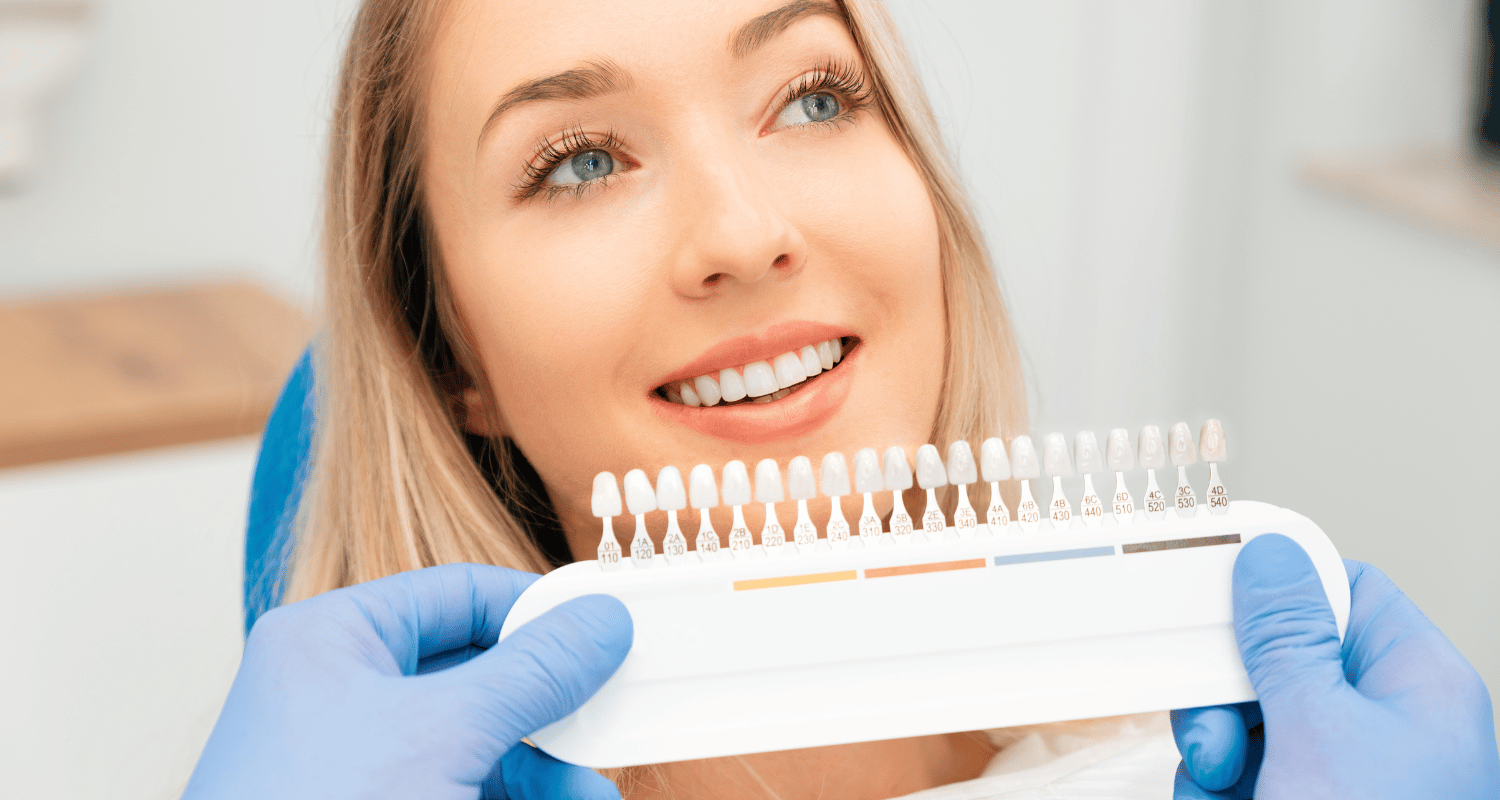
Matching Veneers with Facial Proportions: Design Fees When planning veneers in Korea, achieving a natural, harmonious smile involves more than just choosing the right material or shade. Top cosmetic dentists also consider facial proportions to ensure that veneers complement the patient’s overall facial structure. This process, often referred to as smile design or aesthetic contouring , can influence both the complexity of treatment and the design fees . Understanding how facial matching impacts cost helps foreign patients plan their treatment, budget effectively, and achieve balanced results . Why Facial Proportions Matter in Smile Design A well-designed smile is not just about straight, white teeth. It should also enhance the patient’s facial symmetry . Considerations include: The width of teeth relative to lips and facial width Tooth length and height in proportion to smile line and jaw shape Alignment with the nose, chin, and other facial landmarks Gender-specific aesthetics (feminine vs masculine smile balance) Properly matching veneers with facial proportions ensures a natural and flattering smile rather than one that appears artificial or out of place. How Design Fees Are Determined Design fees for matching veneers with facial proportions depend on time, technology, and dentist expertise : Initial analysis and consultation: USD 50–150, sometimes included in the total veneer cost Digital smile design (DSD): USD 100–300, depending on clinic and complexity Custom shaping and mock-ups: Included in premium veneer packages or charged separately for high-precision adjustments Full-face aesthetic evaluation: Required for patients seeking comprehensive smile harmony, may influence the overall package price In many Korean clinics, premium packages for porcelain or zirconia veneers already include facial proportion analysis, whereas budget options or composite veneers may require additional design fees. Impact on Total Veneer Cost The level of customization based on facial proportions can affect the overall cost of a smile makeover : Basic facial matching: Included in standard veneer packages (porcelain USD 350–700, zirconia USD 500–900 per tooth) Moderate customization: Adjustments to length, width, and curvature for proportional alignment may increase costs slightly Advanced customization: Integration of digital smile design, temporary veneers, and detailed mock-ups can raise total cost, often USD 100–300 extra per case For a full smile makeover (8–10 teeth), incorporating facial proportion design typically adds a modest percentage to the total veneer cost , but significantly improves aesthetic outcomes. Procedure and Workflow Integrating facial proportions into veneer design usually follows a structured process: Capture facial photos and 3D scans for accurate assessment Analyze smile line, tooth dimensions, and jaw/face symmetry Use digital modeling to simulate veneers in harmony with facial features Adjust shape, size, and angle in consultation with the patient Fabricate temporary or trial veneers if needed, then finalize bonding Foreign patients benefit from digital previews and clear consultation , allowing them to see how their veneers will complement their face before committing to treatment. Benefits Beyond Aesthetics Considering facial proportions offers multiple advantages: Avoids a “one-size-fits-all” smile that may look unnatural Enhances harmony between teeth, lips, and overall facial structure Increases patient satisfaction and confidence in the final result Reduces likelihood of post-treatment adjustments or remakes This level of planning ensures that veneers not only look good but fit the patient’s individual facial identity . Real-World Examples Patient A: Receives 6 porcelain veneers with basic facial matching. Standard digital adjustments ensure teeth align with lips and smile line. Total cost per tooth: USD 350–500. Patient B: Receives 10 zirconia veneers with advanced facial proportion design using digital smile previews and temporary mock-ups. Total cost per tooth: USD 700–900, including a USD 200 design fee. These examples illustrate how attention to facial proportions improves aesthetic results while slightly influencing overall costs. Final Thoughts Matching veneers with facial proportions is a key factor in achieving a natural, harmonious smile . While some clinics include this service in veneer packages, advanced design may carry additional fees depending on complexity and materials. For foreign patients, considering facial proportions ensures: Enhanced smile harmony that complements facial features Precise, high-quality veneer fabrication with minimal remakes Confidence in the final result, especially for international patients with limited consultation opportunities Transparent budgeting for design fees alongside material and procedural costs Ultimately, investing in facial-proportion-aware veneer design allows patients to achieve a beautiful, natural, and long-lasting smile in Korea , combining aesthetic precision with functional excellence.