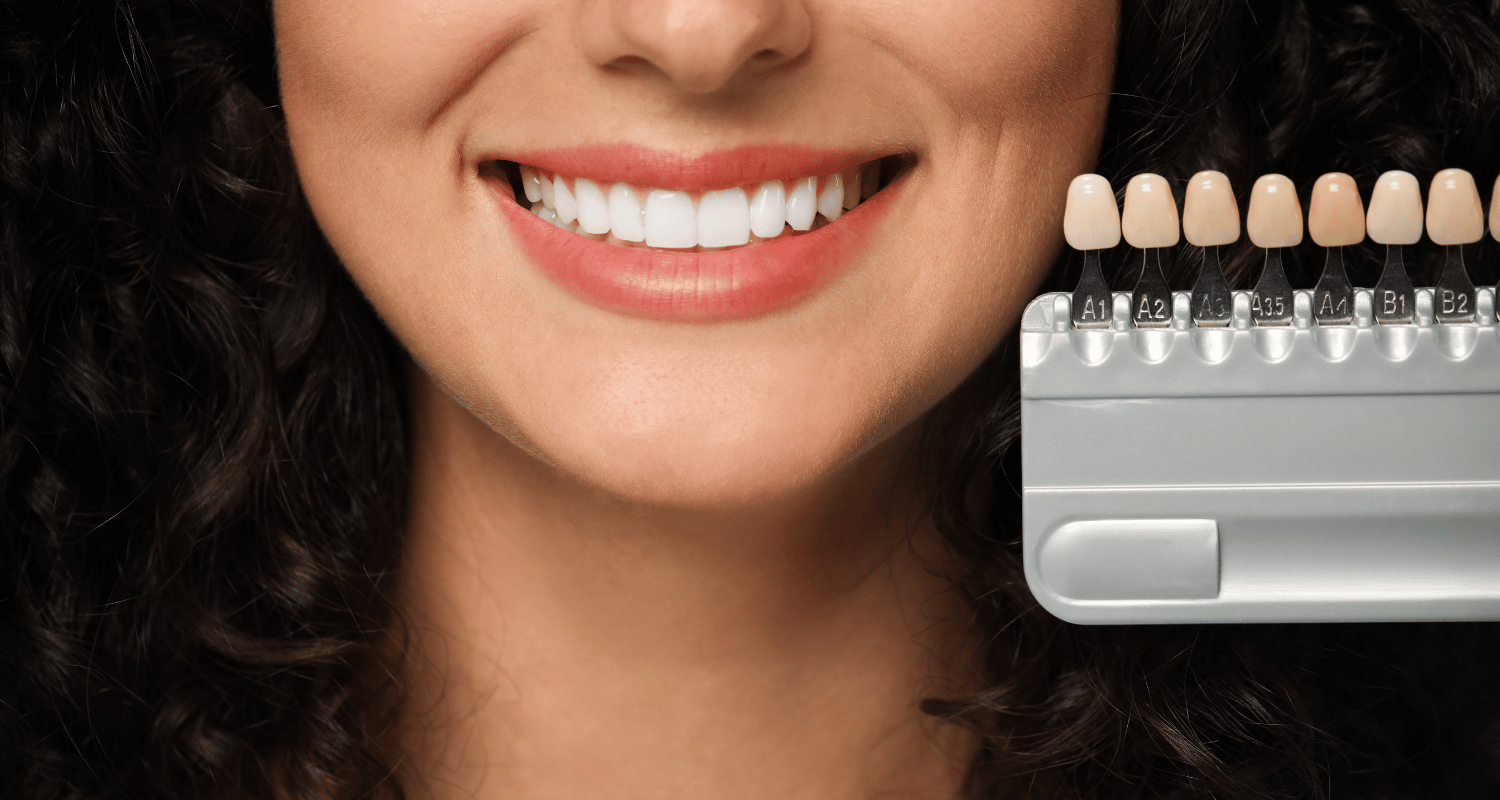
Imported Veneer Materials vs Local Materials: Cost Difference
Imported Veneer Materials vs Local Materials: Cost Difference
When comparing veneer prices in Korea, one factor that often goes unnoticed is where the veneer material itself comes from. Some clinics use imported ceramic blocks or systems from Europe or the US, while others rely on high-quality locally sourced materials. This choice can affect pricing, but not always in the way foreign patients expect.
Understanding the real cost difference between imported and local veneer materials helps you judge whether a higher price is truly justified.
What Are Imported Veneer Materials?
Imported veneer materials usually come from well-known international manufacturers, particularly from Germany, Switzerland, Italy, or the United States. These brands are widely recognized in global cosmetic dentistry.
- Commonly European-made ceramic systems
- Often marketed as “premium” materials
- Used by luxury or internationally branded clinics
The reputation of the brand often plays a role in pricing.
What Are Local Veneer Materials in Korea?
Local materials are produced by Korean manufacturers or sourced domestically through Korean dental labs. Korea has a highly developed dental materials industry.
- Manufactured under Korean medical standards
- Widely used in top Seoul clinics
- Compatible with advanced CAD/CAM systems
Local does not automatically mean lower quality.
How Material Origin Affects Veneer Price
The origin of materials influences cost mainly through supply chain factors.
- Imported materials include shipping and import fees
- Brand licensing and certification increase cost
- Local materials reduce logistics and overhead
These differences are reflected in per-tooth pricing.
Typical Price Difference Per Tooth
In most Korean clinics, the price gap is noticeable but not extreme.
- Imported material veneers: higher mid-to-premium range
- Local material veneers: mid-range pricing
- Difference often depends on clinic positioning
The dentist’s skill often outweighs the material origin.
Aesthetic Quality: Is Imported Always Better?
Many patients assume imported materials automatically look better, but this is not always true.
- Aesthetics depend on design and fabrication
- Skilled technicians can achieve excellent results with local materials
- Shade matching and layering matter more than brand name
Material alone does not guarantee a natural result.
Durability and Longevity Considerations
Longevity is a common concern when comparing materials.
- Both imported and local ceramics can last 10–15 years
- Proper bonding technique is more important than origin
- Maintenance habits affect lifespan more than material source
Durability differences are often minimal in real use.
Why Some Clinics Promote Imported Materials
Imported materials are often used as a marketing differentiator.
- Easier to justify higher prices
- Appeals to foreign patients familiar with global brands
- Creates a “luxury” image for the clinic
This does not mean local materials are inferior.
When Imported Materials May Be Worth the Cost
There are cases where imported materials make sense.
- Patients requesting a specific international system
- Clinics trained exclusively on certain brands
- Complex aesthetic cases needing specific translucency
In these situations, the added cost may be reasonable.
When Local Materials Are the Smarter Choice
Local materials often provide excellent value.
- Comparable aesthetics at lower cost
- Faster fabrication through local labs
- Easier adjustments or remakes if needed
This option is popular among experienced local patients.
How Dentists Choose Between Imported and Local Materials
Dentists usually consider more than just cost.
- Case difficulty and smile design goals
- Lab partnership and technician expertise
- Patient budget and expectations
Material choice is often customized per case.
Questions Patients Should Ask About Materials
Before agreeing to a treatment plan, clarity is essential.
- Is the veneer material imported or locally sourced?
- Why is this material recommended for my case?
- Does the price difference affect appearance or durability?
Clear answers help avoid paying extra unnecessarily.
Final Thoughts
The cost difference between imported and local veneer materials in Korea is real, but often smaller than patients expect. Higher prices are usually driven by branding and logistics rather than dramatic quality gaps.
- Imported materials: higher cost, brand recognition
- Local materials: strong value, reliable quality
- Dentist skill matters more than material origin
For most patients, choosing the right clinic and experienced dentist has a far greater impact on results than whether the veneer material is imported or locally made.