Multilingual Coordinators and Treatment Accuracy

January 22, 2026

Multilingual Coordinators and Treatment Accuracy

For international patients traveling to Korea for veneers, clear communication is as critical as the dentist’s technical skill. Misunderstandings about treatment plans, veneer materials, or scheduling can lead to delays, remakes, or dissatisfaction. This is where multilingual coordinators—staff fluent in English, Chinese, Japanese, and other languages—play a pivotal role. They serve as a bridge between patients and the dental team, ensuring that treatment is both accurate and stress-free.

Understanding how multilingual coordination affects treatment can help patients maximize quality, reduce errors, and enjoy a smoother veneer experience, especially for those with limited time abroad.

The Role of Multilingual Coordinators

Multilingual coordinators guide foreign patients through the entire veneer process, from initial consultation to post-treatment follow-ups. Their responsibilities typically include:

  • Translating consultation details, treatment plans, and cost estimates clearly and accurately
  • Explaining differences between veneer types, materials, and procedures
  • Coordinating appointment schedules, follow-ups, and sometimes travel logistics
  • Communicating patient concerns, preferences, or specific questions directly to the dentist
  • Assisting with smile design visualization, including digital scans and temporary veneers

By providing precise translations and context, coordinators reduce the risk of miscommunication that could compromise treatment accuracy, ensuring that the patient’s expectations align with the dentist’s plan.

How Language Barriers Can Affect Treatment Accuracy

Even minor misunderstandings can impact veneer treatment outcomes. Without clear communication, patients may experience:

  • Incorrect selection of veneer material or shade, leading to a mismatched smile
  • Misunderstandings about which teeth are being treated or how many veneers are included
  • Confusion regarding bite adjustment, alignment, or occlusion
  • Improper care instructions that could affect the longevity of the veneers

For international patients, these errors are particularly inconvenient, as returning for corrections may involve significant travel and expense. Multilingual coordinators help ensure every detail is understood and implemented correctly, which is crucial for achieving precise cosmetic results.

Enhancing Efficiency and Comfort

Multilingual coordinators improve not only accuracy but also the overall patient experience:

  • Faster consultations: Patients spend less time clarifying details, allowing the dentist to focus on treatment
  • Reduced stress and anxiety: Patients can communicate freely and understand procedures fully
  • Real-time decision-making: Shade, shape, and smile design choices can be made quickly with full understanding
  • Streamlined follow-ups: Post-treatment instructions and adjustments are clearly explained

For foreign patients, this translates into a more efficient treatment schedule with fewer unnecessary visits or adjustments, saving both time and travel costs.

Coordinators and Dental Team Collaboration

Multilingual coordinators serve as the communication link between patients and the dental team, helping ensure smooth workflow and treatment accuracy:

  • Convey patient preferences regarding tooth shape, color, and smile aesthetics accurately to the dentist
  • Relay any concerns about fit, bite, or comfort to both the dentist and lab technician
  • Assist in coordinating with in-house labs to ensure precise veneer fabrication

This close collaboration reduces the risk of errors, miscommunication, and remakes, while maintaining the high standards required for cosmetic dental work.

The Importance of Coordinator Experience

Not all coordinators are equally effective. Experienced multilingual coordinators contribute significantly to treatment accuracy and patient satisfaction:

  • Familiarity with dental terminology and veneer procedures ensures precise translations
  • Understanding of patient expectations and cultural nuances allows for more personalized guidance
  • Ability to anticipate potential misunderstandings and proactively clarify complex treatment details

For foreign patients, an experienced coordinator can be the difference between a smooth, successful veneer process and multiple revisions or dissatisfaction.

Practical Examples for Foreign Patients

Consider two international patients seeking veneers:

  • Patient A chooses a clinic with minimal English support. Miscommunication about the number of veneers leads to an extra visit, additional cost, and frustration.
  • Patient B selects a clinic with experienced multilingual coordinators. The treatment plan, shade selection, and temporary veneers are all clearly explained and approved, resulting in fewer visits, faster turnaround, and a natural, high-quality smile.

This illustrates how coordinators not only enhance accuracy, but also significantly improve the overall patient experience, particularly for those traveling from abroad.

Choosing a Clinic with Strong Multilingual Support

When selecting a veneer clinic in Korea, foreign patients should consider:

  • Availability of coordinators fluent in their preferred language
  • Experience of coordinators with cosmetic dentistry and veneer procedures
  • Positive reviews from previous international patients regarding communication and support
  • Integration with in-house labs and the dental team to minimize errors and speed up treatment

Clinics with competent multilingual coordinators often deliver higher accuracy, faster treatment, and greater patient satisfaction, making them ideal for medical tourists.

Final Thoughts

Multilingual coordinators are far more than translators—they are essential partners in achieving precise, high-quality veneer treatment. By ensuring that instructions, preferences, and treatment plans are clearly understood, coordinators help reduce errors, streamline procedures, and enhance patient comfort.

For foreign patients, prioritizing clinics with skilled multilingual support provides:

  • Accurate implementation of treatment plans and smile design
  • Fewer remakes or adjustments, saving time and money
  • Clear guidance for pre-treatment preparation and post-treatment care
  • Greater confidence and peace of mind throughout the veneer journey

Ultimately, multilingual coordinators play a crucial role in bridging language gaps, ensuring treatment accuracy, and creating a seamless, stress-free veneer experience for international patients in Korea.


January 22, 2026
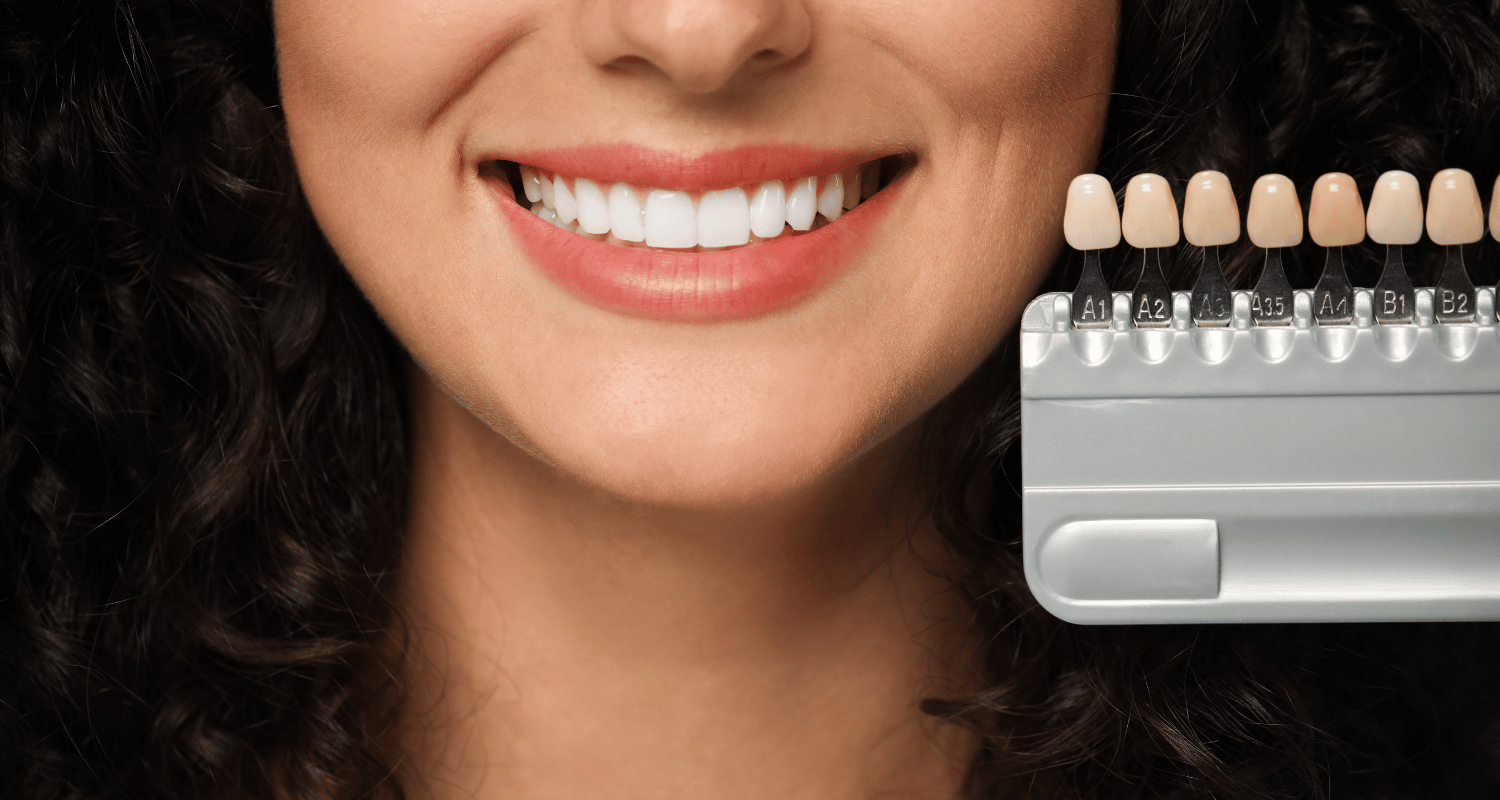
How Custom Smile Design Affects Final Veneer Price When planning veneers in Korea, many foreign patients focus on material and basic veneer cost , but often overlook the impact of custom smile design on the final price. A truly personalized smile involves more than just placing veneers—it requires detailed planning, digital simulation, and precise fabrication tailored to each patient’s facial features, dental anatomy, and aesthetic goals. Understanding how customization influences cost helps patients budget accurately and set realistic expectations . What Is Custom Smile Design? Custom smile design is the process of creating veneers that are uniquely tailored to an individual patient . It takes into account: Tooth size, shape, and alignment Facial proportions, lips, and smile line Gender-specific aesthetics (feminine vs masculine smile) Bite and occlusion for functional harmony Desired degree of brightness or uniformity This personalized approach ensures that veneers look natural, complement facial features, and enhance overall confidence . Key Components That Affect Cost Custom smile design can influence veneer pricing in several ways: Digital Smile Design (DSD): 3D modeling and simulation to preview the final smile (USD 100–300 if not included in package) Temporary veneers/mock-ups: Testing shape, color, and bite before final bonding Material choice: Higher-end materials like E-max or zirconia are preferred for precise customization Number of teeth involved: More teeth require more lab work and detailed design Dentist and lab expertise: Highly experienced cosmetic dentists and in-house labs ensure accuracy but may charge premium fees These elements combine to determine the final cost per tooth , which can vary significantly depending on the level of customization required. How Customization Impacts Procedure Complexity The more personalized the design, the more steps are involved: Comprehensive smile analysis and consultation Facial photography and 3D scanning Digital modeling and patient approval Temporary veneers or mock-ups to refine aesthetics Final fabrication and bonding with bite and alignment adjustments Each additional step may increase chair time, lab work, and material use , which collectively affects the total cost. Typical Pricing in Korea Depending on customization level, veneer pricing in Korea can range as follows: Composite veneers: USD 150–300 per tooth, basic customization Porcelain (E-max) veneers: USD 350–700 per tooth, moderate customization Zirconia veneers: USD 500–900 per tooth, advanced customization with high precision For a full smile makeover (8–10 teeth), incorporating detailed custom design may add USD 500–1,500 to the total cost, depending on complexity and number of teeth. Why Custom Smile Design Is Worth It Although customization can raise costs, it provides significant benefits: Ensures veneers blend naturally with facial features and lips Enhances smile symmetry, bite alignment, and functional comfort Reduces the likelihood of remakes or post-treatment adjustments Increases patient satisfaction and confidence with the final result For foreign patients, investing in custom design often saves time and money in the long term , as adjustments after bonding can be costly and inconvenient. Real-World Examples Patient A: Receives 6 porcelain veneers with basic customization. Minor adjustments in shape and alignment are made, costing USD 350–500 per tooth. Patient B: Receives 10 zirconia veneers with full custom design, including digital smile previews, temporary mock-ups, and facial proportion analysis. Total cost per tooth: USD 700–900, with additional USD 200–300 design fee. These examples show that the more tailored the smile, the higher the cost—but the more precise and satisfying the result . Tips for Foreign Patients Confirm whether digital smile design or mock-ups are included in the package Discuss your aesthetic goals clearly, including preferred tooth shape, size, and brightness Ask for portfolio examples showing custom designs for similar facial features Evaluate both material quality and dentist expertise when comparing costs By understanding how customization affects price, patients can make informed decisions and avoid surprises in treatment costs. Final Thoughts Custom smile design is a key factor in achieving a natural, balanced, and confident smile . While it may increase veneer costs slightly, the investment ensures precision, aesthetics, and long-term satisfaction. For foreign patients, focusing on custom design ensures: Personalized veneers that complement facial features High-quality materials and precise fabrication Reduced risk of remakes and post-treatment adjustments Greater confidence and satisfaction with the final result Ultimately, a well-planned, custom-designed veneer treatment in Korea allows patients to achieve a durable, natural, and striking smile , making it a worthwhile consideration for any cosmetic dental journey.
January 22, 2026
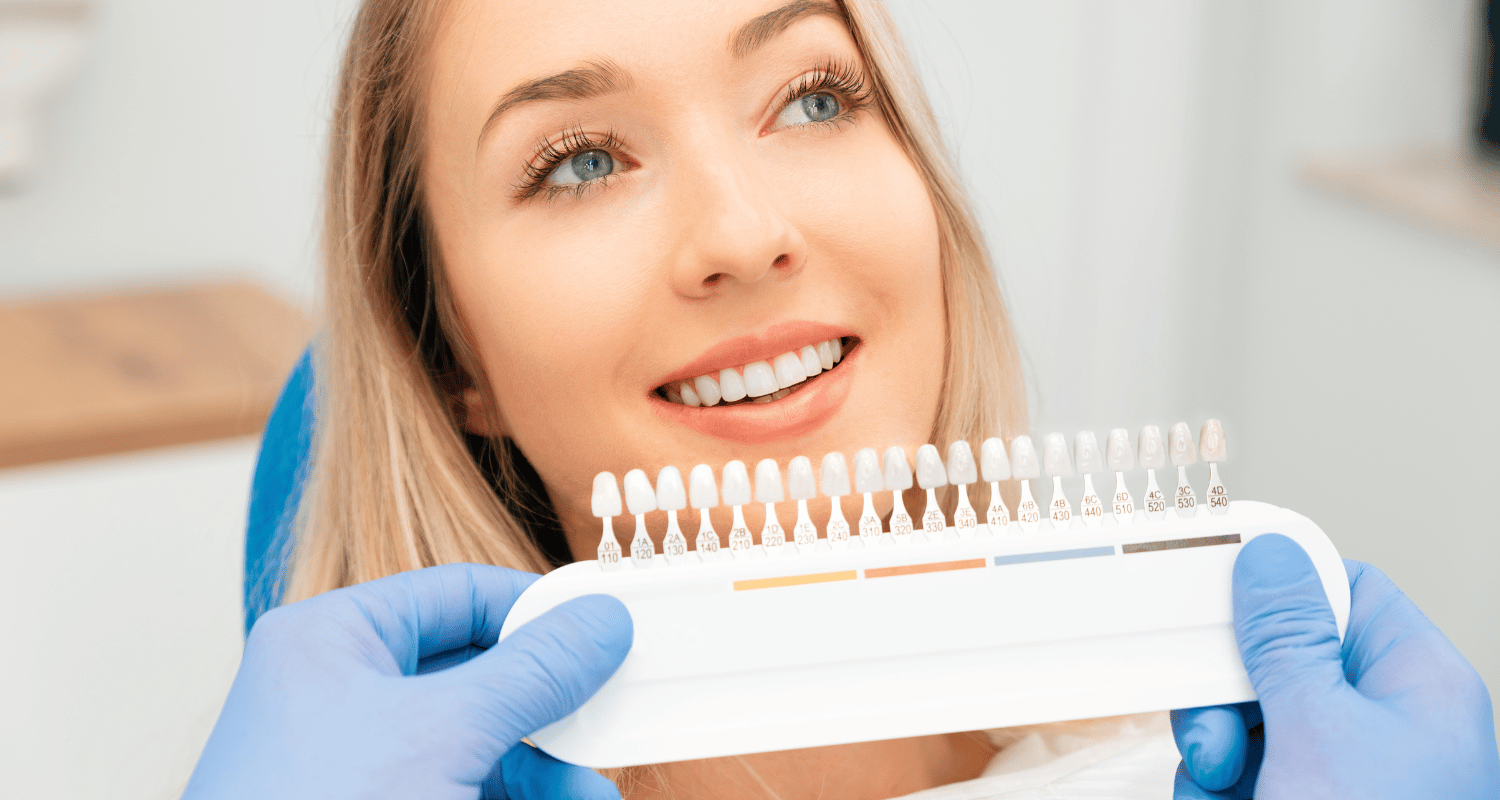
Matching Veneers with Facial Proportions: Design Fees When planning veneers in Korea, achieving a natural, harmonious smile involves more than just choosing the right material or shade. Top cosmetic dentists also consider facial proportions to ensure that veneers complement the patient’s overall facial structure. This process, often referred to as smile design or aesthetic contouring , can influence both the complexity of treatment and the design fees . Understanding how facial matching impacts cost helps foreign patients plan their treatment, budget effectively, and achieve balanced results . Why Facial Proportions Matter in Smile Design A well-designed smile is not just about straight, white teeth. It should also enhance the patient’s facial symmetry . Considerations include: The width of teeth relative to lips and facial width Tooth length and height in proportion to smile line and jaw shape Alignment with the nose, chin, and other facial landmarks Gender-specific aesthetics (feminine vs masculine smile balance) Properly matching veneers with facial proportions ensures a natural and flattering smile rather than one that appears artificial or out of place. How Design Fees Are Determined Design fees for matching veneers with facial proportions depend on time, technology, and dentist expertise : Initial analysis and consultation: USD 50–150, sometimes included in the total veneer cost Digital smile design (DSD): USD 100–300, depending on clinic and complexity Custom shaping and mock-ups: Included in premium veneer packages or charged separately for high-precision adjustments Full-face aesthetic evaluation: Required for patients seeking comprehensive smile harmony, may influence the overall package price In many Korean clinics, premium packages for porcelain or zirconia veneers already include facial proportion analysis, whereas budget options or composite veneers may require additional design fees. Impact on Total Veneer Cost The level of customization based on facial proportions can affect the overall cost of a smile makeover : Basic facial matching: Included in standard veneer packages (porcelain USD 350–700, zirconia USD 500–900 per tooth) Moderate customization: Adjustments to length, width, and curvature for proportional alignment may increase costs slightly Advanced customization: Integration of digital smile design, temporary veneers, and detailed mock-ups can raise total cost, often USD 100–300 extra per case For a full smile makeover (8–10 teeth), incorporating facial proportion design typically adds a modest percentage to the total veneer cost , but significantly improves aesthetic outcomes. Procedure and Workflow Integrating facial proportions into veneer design usually follows a structured process: Capture facial photos and 3D scans for accurate assessment Analyze smile line, tooth dimensions, and jaw/face symmetry Use digital modeling to simulate veneers in harmony with facial features Adjust shape, size, and angle in consultation with the patient Fabricate temporary or trial veneers if needed, then finalize bonding Foreign patients benefit from digital previews and clear consultation , allowing them to see how their veneers will complement their face before committing to treatment. Benefits Beyond Aesthetics Considering facial proportions offers multiple advantages: Avoids a “one-size-fits-all” smile that may look unnatural Enhances harmony between teeth, lips, and overall facial structure Increases patient satisfaction and confidence in the final result Reduces likelihood of post-treatment adjustments or remakes This level of planning ensures that veneers not only look good but fit the patient’s individual facial identity . Real-World Examples Patient A: Receives 6 porcelain veneers with basic facial matching. Standard digital adjustments ensure teeth align with lips and smile line. Total cost per tooth: USD 350–500. Patient B: Receives 10 zirconia veneers with advanced facial proportion design using digital smile previews and temporary mock-ups. Total cost per tooth: USD 700–900, including a USD 200 design fee. These examples illustrate how attention to facial proportions improves aesthetic results while slightly influencing overall costs. Final Thoughts Matching veneers with facial proportions is a key factor in achieving a natural, harmonious smile . While some clinics include this service in veneer packages, advanced design may carry additional fees depending on complexity and materials. For foreign patients, considering facial proportions ensures: Enhanced smile harmony that complements facial features Precise, high-quality veneer fabrication with minimal remakes Confidence in the final result, especially for international patients with limited consultation opportunities Transparent budgeting for design fees alongside material and procedural costs Ultimately, investing in facial-proportion-aware veneer design allows patients to achieve a beautiful, natural, and long-lasting smile in Korea , combining aesthetic precision with functional excellence.